



 Medically reviewed by: dr Miloš Živković — Imedic poliklinika, Beograd.
Updated: 27.10.2026.
PRP treatment – key facts
In short
PRP treatment is an excellent choice if you seek natural regeneration with visible results, leaving your facial skin refreshed and radiant. It’s a popular facial treatment known as vampire treatment. This regenerative procedure offers quick and noticeable results, without any side effects or allergic reactions, using platelets from your own blood. Rejuvenated skin, improved skin quality, and a radiant complexion are within reach through PRP treatment, suitable for the face, neck, décolletage, and hands.

What is PRP treatment?
PRP stands for Platelet Rich Plasma, which refers to blood plasma enriched with platelets. Platelets, the components of blood responsible for clotting, are separated from the patient’s blood using a specialized centrifuge machine. The resulting platelet-rich plasma is then injected into the skin using small needles. PRP treatment has gained popularity as a rejuvenation method worldwide, thanks to its impressive results and its natural approach to rejuvenation. By using the patient’s own platelets, concerns about side effects and allergies are minimized following PRP treatment.rgies after PRP.
“PRP therapy does not remove deep wrinkles, does not restore lost volume and has no lifting effect.”
DOCTOR’S ADVICE · DR MILOŠ ŽIVKOVIĆ
PRP treatment – indications?
The primary reason behind choosing PRP treatment is to enhance skin quality and promote its regeneration. It is frequently used to address concerns such as dehydrated and dry skin, uneven texture, and photodamaged skin. However, PRP treatment also offers a solution for thinning hair or hair loss. By activating the follicles, platelet-rich plasma stimulates new hair growth, providing a remedy for this problem.
What does a treatment look like?
Before the treatment, the doctor examines your skin to determine the number of treatments needed and the optimal time intervals for achieving the best results. Next, a small amount of your blood is extracted and collected in specialized tubes for PRP extraction. Don’t worry, it’s a minimal amount of blood. Afterwards, the platelets are separated from the other blood components using a centrifuge machine. To ensure a nearly painless experience, an anesthetic cream is applied to the skin prior to the treatment. Then, the platelet-rich plasma is injected into the skin using needles. The injection of platelets into the skin triggers the release of growth factors, which stimulate stem cells. This process promotes the growth of new cells and the production of collagen and elastin in the skin, responsible for its youthful appearance.
The PRP procedure is the same whether performed on the neck, décolletage, or the scalp for hair treatments.

How long does treatment take?
The entire treatment typically lasts about 60 minutes, allowing you to promptly resume your daily activities.
How many PRP treatments are needed?
The doctor determines the number of PRP treatments and the intervals between them during the initial examination. For optimal results, a series of 3 treatments is recommended, with one month between each session. Once the desired results are achieved, it is recommended to have one to two treatments per year to maintain the condition of your skin.
What should you know before treatment?
It is important to refrain from taking acetyl-salicylic acid drugs and non-steroidal anti-inflammatory drugs (NSAIDs) ten days prior to the treatment. These medications hinder platelet activation and diminish the treatment’s effectiveness. Additionally, it is advised not to consume these medications for ten days following the treatment.
effects and results of PRP treatment
Although patients may notice initial effects immediately after the treatment, significant results become visible after approximately 10 days, when the growth factors start stimulating collagen production. Since collagen production takes several weeks, final results can be expected within a month of the treatment.
Vampire treatment, also known as PRP treatment or rejuvenation with one’s own blood, is a method that stimulates the skin’s natural potential for regeneration and rejuvenation. The outcome is a youthful appearance of refreshed, radiant, and shiny skin, which can be observed even after the first treatment. The dull and tired look of the face diminishes along with minor imperfections, resulting in an even-toned complexion and restored radiance, ultimately leaving the skin rejuvenated.
Who Is a Candidate?
- Anyone who desires a more youthful facial appearance,
- When the facial skin appears tired, lifeless, and lacking radiance,
- Following laser treatments, chemical peels, or hyaluronic filler procedures, as it enhances the effects of these treatments,
- To address hair loss concerns, even after undergoing hair transplantation.

Contraindications
Contraindications for PRP treatment include active infections or skin conditions, blood disorders or clotting disorders, and pregnancy.
side effects
As with any treatment, side effects are present, but unlike others, they are short-lived and minimal. The appearance of redness and small bruises is possible, which lasts within 24 to 72 hours after the treatment.
Advantages and disadvantages of PRP treatment?
If you’re making a list of the pros and cons of PRP treatment, here are some guidelines to help you decide. First, we’ll list the disadvantages of PRP treatment, followed by its advantages:
Disadvantages:
Temporary redness and small bruises may occur, but they typically resolve within 24 to 72 hours. It is not recommended to undergo PRP treatment during menstruation.
Advantages:
PRP treatment yields visible results within a month, allowing for significant improvements in the skin’s appearance.
This treatment is completely safe and suitable even for sensitive skin prone to allergies. The initial effects become visible within 7-10 days, and within a month, you will fall in love with your skin again. It promotes regenerated, healthy-looking skin with reduced imperfections. PRP treatment can be done throughout the year, regardless of the season. Additionally, it enhances the effects of laser or chemical treatments by promoting faster skin cell regeneration.
PRP treatment – price and additional questions?
See the prices of PRP treatments HERE. If you have additional questions related to PRP treatment or want to schedule your treatment, feel free to call us at 060/345-0304.
Book your appointment
Imedic poliklinika is located at Kneza Miloša 23, II sprat, Beograd.
Book your appointment by phone: +381 60 345 0304 or +381 64 237 0707. If you are contacting us from abroad, we are also available on Viber and WhatsApp at the same number.
Medical disclaimer
This page was prepared under the professional supervision of dr Miloš Živković. The information is intended for education and a better understanding of aesthetic procedures, but it cannot replace an individual medical examination, diagnosis or treatment plan. A consultation with a doctor is necessary to assess and choose the right treatment.
Contents
Popular
Who we are
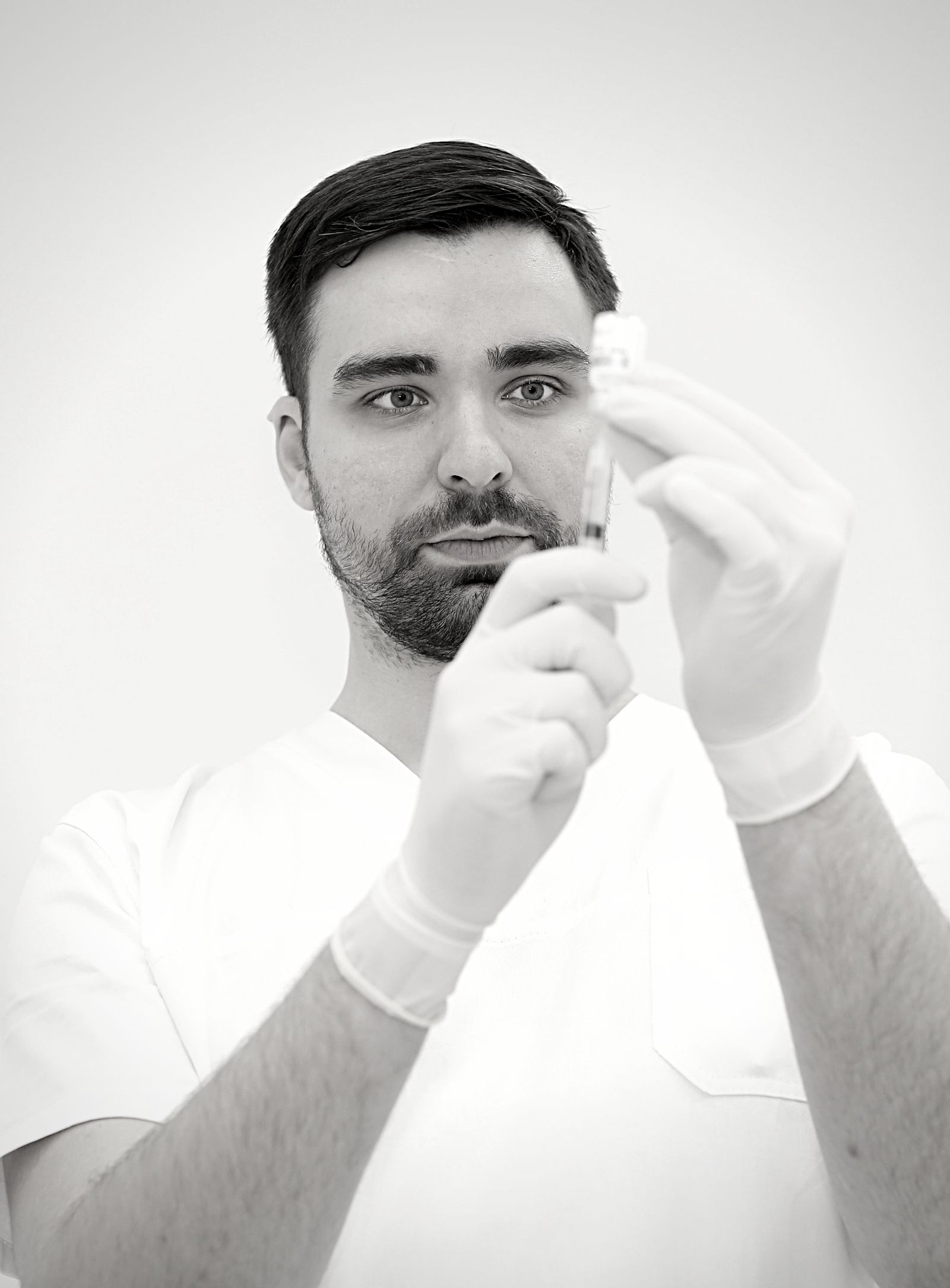
A doctor in specialist training in aesthetic, plastic and reconstructive surgery at the Faculty of Medicine in Beograd.
Since he began working in aesthetic medicine, he has regularly attended advanced training and courses, so that the techniques he uses follow current knowledge and high professional standards.
His work focuses on hyaluronic fillers, botulinum toxin, skin boosters, collagen stimulators, chemical peels, fractional CO2 laser and scar treatments.
Treatments in this article
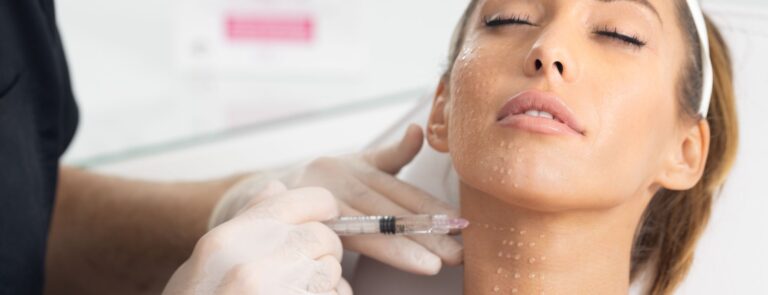
Biorevitalization
Facial biorevitalization is a skin booster treatment with hyaluronic acid that restores hydration and elasticity and supports regeneration – without adding volume.