



 Medically reviewed by: dr Miloš Živković — Imedic poliklinika, Beograd.
Updated: 27.10.2026.
Non-surgical eyelid and brow lift – key facts
In short
Non-surgical eyebrow and eyelid lift procedures are designed for individuals experiencing initial signs of aging and mild skin sagging in these areas.
The delicate skin surrounding the eyes is prone to displaying the first signs of aging. Laugh lines, for instance, are often the most noticeable and can be effectively corrected with Botox injections. As time passes, the upper eyelid skin may start to sag, resulting in a tired and sleepy appearance. Eyelid drooping is frequently accompanied by a decline in eyebrow position. Traditionally, surgical methods were employed to address these concerns. However, thanks to advancements in aesthetic medicine, there are now several non-surgical alternatives available that offer greater comfort and affordability to patients.
The aging process in the eye area is multifaceted. While the upper eyelids may exhibit excess skin, the lower eyelids often experience thinning and atrophic skin. Additionally, certain areas of the eye socket can undergo significant loss of bone tissue. The eye is closely connected to the temples and cheekbones, and establishing a harmonious relationship between these structures is vital for achieving optimal aesthetic outcomes.

What treatments are used to lift eyelids and eyebrows?
- Eyebrow lift with botox;
- Eyebrow lift using hyaluronic fillers;
- Mild tightening of the upper eyelids with a CO2 laser.
“Where there is significant excess eyelid skin and a pronounced brow drop, non-surgical methods will not solve the problem.”
DOCTOR’S ADVICE · DR MILOŠ ŽIVKOVIĆ
What do treatments look like?
Eyebrow lift using Botox can be performed through various techniques. Injecting Botox into the glabella muscles enables the desired effect of raised eyebrows. Additionally, injecting Botox into the orbicularis oculi muscle, which encircles the eye, can achieve a mild lift of the eyelids and eyebrows.
To address areas of bone resorption or loss of subcutaneous tissue, hyaluronic fillers are injected. This technique helps achieve eyelid lifting. Typically, treatment involves targeting the lateral part of the eyebrow and the temporal fossa simultaneously, as this approach produces a synergistic effect of lifting the eyebrows and rejuvenating the eye area.
CO2 laser treatment is highly effective in tightening the skin of the lower eyelids. After the first treatment, there can be an improvement of up to 20% in reducing excess skin of the upper eyelids. For more detailed information on laser eyelid skin tightening, please refer to this resource.

Which procedure to choose for non-surgical eyebrow and eyelid lift?
Due to the comprehensive nature of rejuvenating the eyelids and periorbital tissue, it is essential to schedule a consultation with our doctors before making any treatment decisions.
Non-surgical or surgical eyelid lift?
A non-surgical eyelid and eyebrow lift is a great option for individuals with mild to moderate eyebrow droop and minor excess skin on the upper eyelids. The procedure is quicker, and the recovery time is significantly shorter.
However, in cases where there is a substantial amount of excess eyelid skin and noticeable eyebrow droop, non-surgical methods will not fully address the issue. In such situations, the only viable solutions are surgical removal of the excess skin and a brow lift procedure.
price and additional information?
You can view the prices of our services on the Pricelist page. If you have additional questions or want to book an appointment, please call us at 060/345-0304 or write at estetikabgd@gmail.com.
Book your appointment
Imedic poliklinika is located at Kneza Miloša 23, II sprat, Beograd.
Book your appointment by phone: +381 60 345 0304 or +381 64 237 0707. If you are contacting us from abroad, we are also available on Viber and WhatsApp at the same number.
Medical disclaimer
This page was prepared under the professional supervision of dr Miloš Živković. The information is intended for education and a better understanding of aesthetic procedures, but it cannot replace an individual medical examination, diagnosis or treatment plan. A consultation with a doctor is necessary to assess and choose the right treatment.
Contents
Popular
Who we are
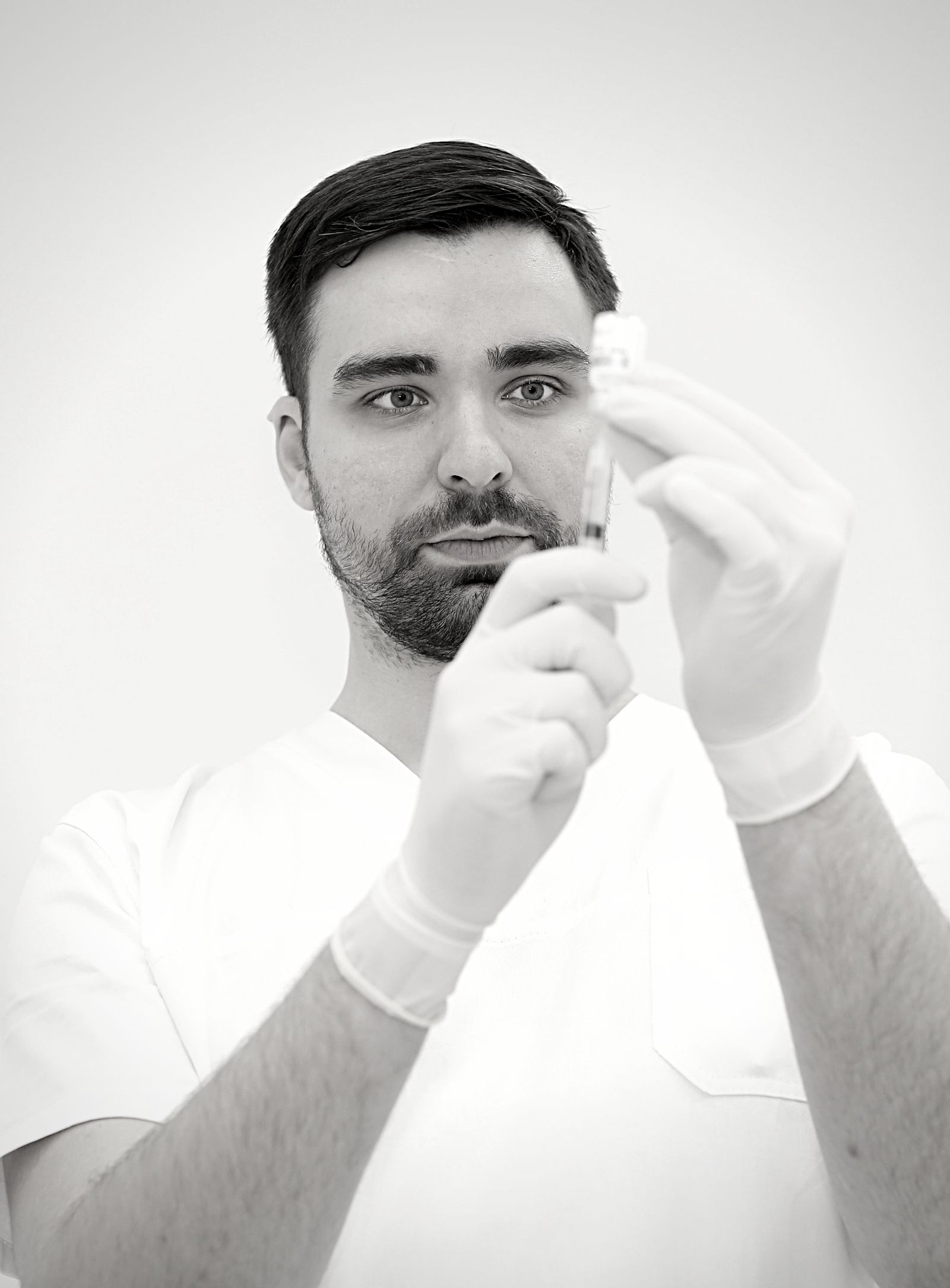
A doctor in specialist training in aesthetic, plastic and reconstructive surgery at the Faculty of Medicine in Beograd.
Since he began working in aesthetic medicine, he has regularly attended advanced training and courses, so that the techniques he uses follow current knowledge and high professional standards.
His work focuses on hyaluronic fillers, botulinum toxin, skin boosters, collagen stimulators, chemical peels, fractional CO2 laser and scar treatments.
Treatments in this article

Wrinkles around the eyes
Wrinkles around the eyes are among the first signs of ageing. We soften them with Botox, CO2 laser and treatments that improve the quality of the thin skin around the eyes.

Upper face rejuvenation
Upper face rejuvenation with Botox and hyaluronic fillers restores volume to the forehead and temples and softens wrinkles, so the eyes look more rested and open.
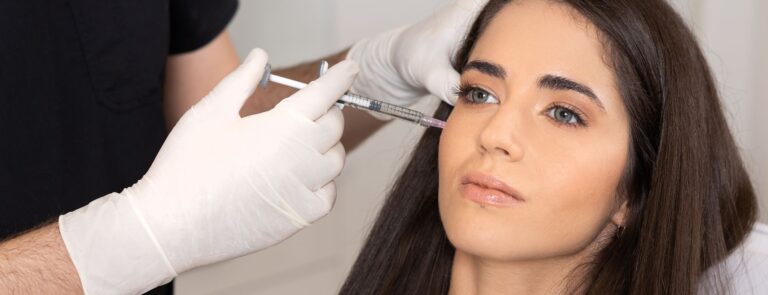
Cheekbone fillers
Cheekbone fillers restore volume and support to the midface, improve contour and can indirectly soften tear troughs and nasolabial folds.