



 Medically reviewed by: Dr Miloš Živković
Imedic Polyclinic, Belgrade
Updated: 19.11.2026.
Xanthelasmas are yellowish deposits of lipids (fats) that most often appear on the eyelids, usually the upper ones, although they can also appear on the lower eyelids. Xanthelasmas tend to grow, so it is best to treat them as soon as they appear to achieve the best possible aesthetic result.
Xanthelasmas are often associated with elevated triglyceride and cholesterol levels (in more than 50% of patients), although they are also seen in people with normal lipid levels. For this reason, when xanthelasmas appear, cholesterol (LDL, HDL) and triglyceride levels should always be checked before they are removed.
Radiofrequency is the method of choice for removing xanthelasmas. With radiofrequency, xanthelasmas can be removed very precisely, without scarring. With large xanthelasmas, the treatment sometimes needs to be repeated for complete removal.
Local anaesthesia is used during the treatment, which makes xanthelasma removal painless, and after the treatment it takes 7–10 days for the skin to heal completely.
In brief
For any further questions, call us at +381 64 237 0707.
Book your appointment
Imedic Polyclinic is located at Kneza Miloša 23, 2nd floor, Belgrade.
Appointments by phone: +381 60 345 0304 and +381 64 237 0707. You can also reach us on Viber and WhatsApp at the same number.
Medical disclaimer
This text was prepared under the professional supervision of Dr Miloš Živković. The information on this page is meant to educate and help you understand aesthetic procedures, but it cannot replace an individual medical examination, diagnosis or treatment plan. A consultation with a doctor is needed to assess you and choose the right treatment.
Contents
Who we are
Doctor in specialist training in aesthetic, plastic and reconstructive surgery at the Faculty of Medicine in Belgrade.
Since he started working in aesthetic medicine, he has regularly attended advanced training and courses so that the techniques he uses follow the latest knowledge and high professional standards.
His work focuses on hyaluronic fillers, botulinum toxin, skin boosters, collagen stimulators, chemical peels, fractional CO2 laser and scar treatments.
Treatments in this article
Mole removal
We remove moles surgically or with radiofrequency – for medical or cosmetic reasons, after an examination shows whether the mole is risky.
Wart removal with radiofrequency
Wart removal with radiofrequency is a short procedure under local anaesthesia: the growth is removed precisely and you can return to your daily activities straight away.
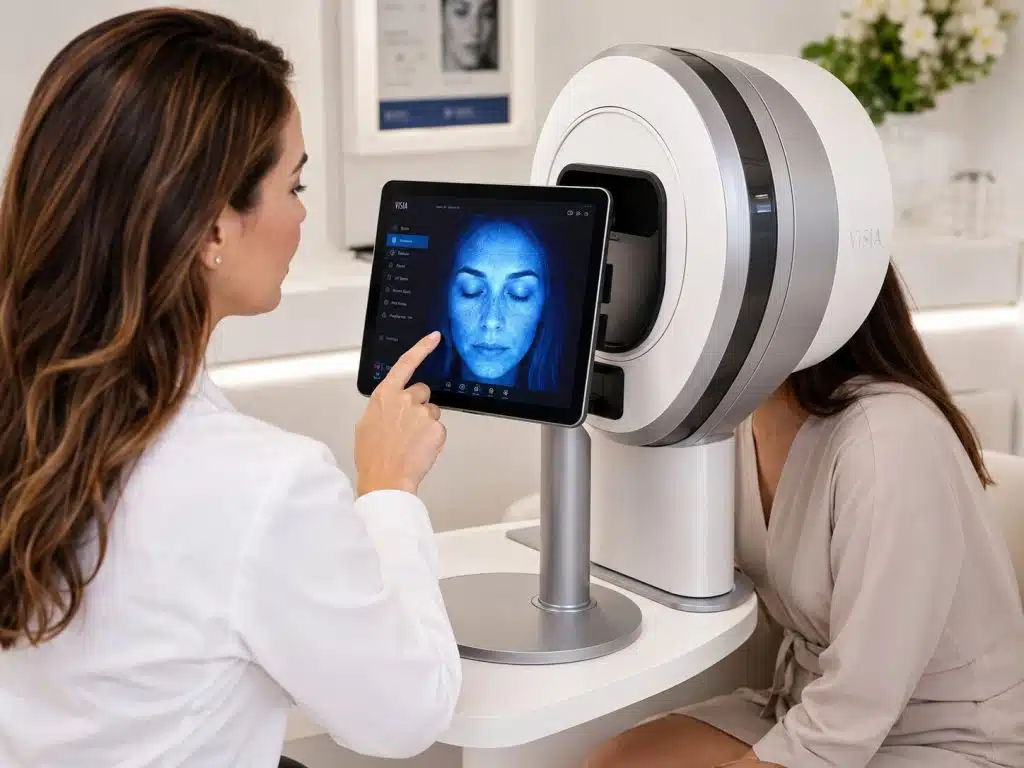
Dermatologist in Belgrade – dermatological examination
The dermatological examination is performed by a specialist in dermatovenereology: an examination of the skin, hair, nails and moles with dermoscopy, followed by a diagnosis and a treatment plan.